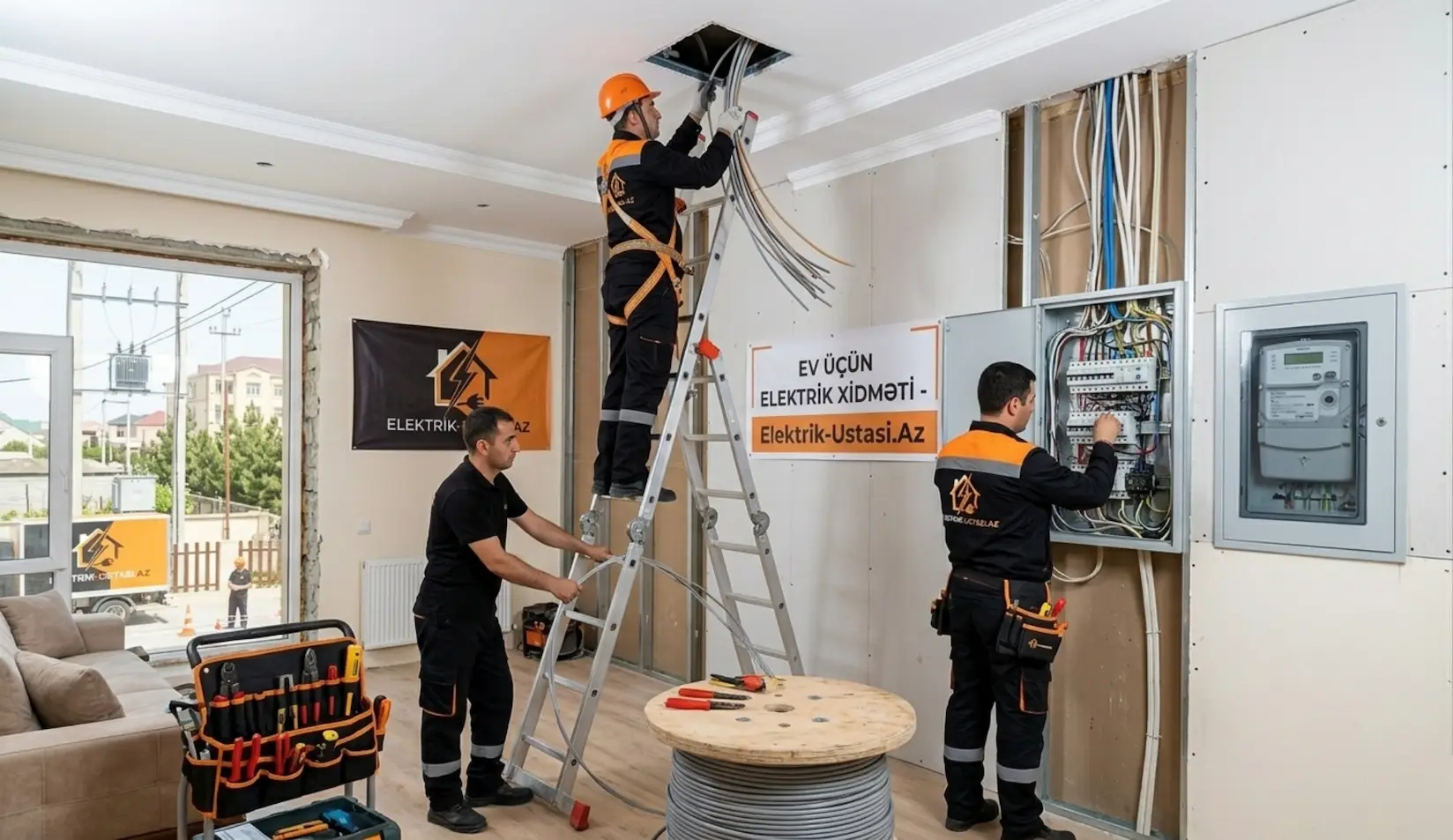
Electrical line installation and renewal are essential for ensuring safety, stable performance, and uninterrupted power supply in residential and commercial properties. Poorly installed or outdated electrical lines can lead to short circuits, energy loss, equipment damage, and even fire hazards. That is why these tasks should always be handled by a professional electrician.
When planning electrical work, it is important to consider the building’s structure, energy load, and future needs. A properly designed system helps avoid additional costs and ensures long-term reliability and efficiency.
In new houses, apartments, and commercial spaces, electrical line installation requires careful planning. The placement of sockets, switches, lighting points, and high-power equipment should be determined in advance. This approach ensures both convenience and functionality.
Special attention should be given to cable selection and load distribution. High-power devices such as air conditioners, water heaters, and kitchen appliances should have dedicated lines. This improves safety and ensures stable system performance.
In older buildings, renewing electrical lines is especially important. Over time, cable insulation deteriorates, connections weaken, and systems no longer meet modern requirements. This can result in frequent outages, overheating outlets, and other issues.
Renewal involves replacing worn components, inspecting the entire system, and upgrading it to handle current energy demands. This process enhances both safety and overall efficiency.
A reliable electrical system starts with proper planning. Each property has unique requirements, so electrical work must be tailored accordingly. Accurate load calculation, proper circuit protection, and the use of high-quality materials significantly reduce risks.
Following safety standards ensures long-term system performance. This is especially critical in residential properties and high-demand commercial environments.
Electrical line installation and renewal should always be performed by a qualified electrician. A professional evaluates the property, identifies the right solutions, and completes the work according to technical standards.
This approach guarantees a safe, durable, and efficient electrical system without unnecessary risks or expenses.
For more information, visit:
https://elektrik-ustasi.az/en
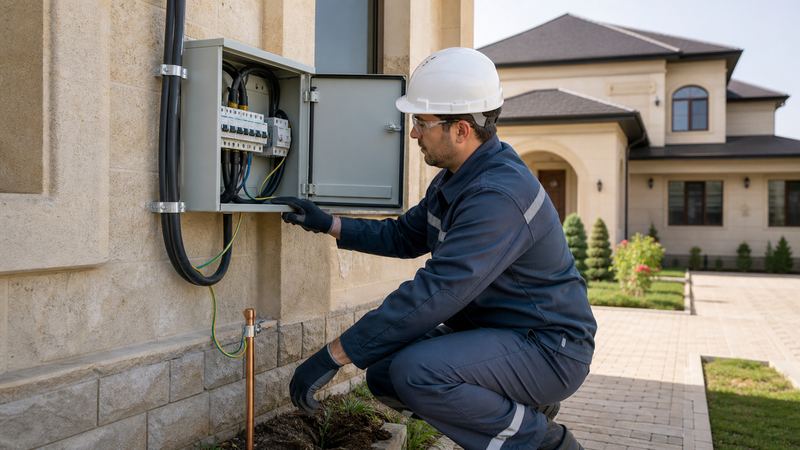
A safety guide for a private house incoming electrical line: cable, panel, breakers and grounding.
Read More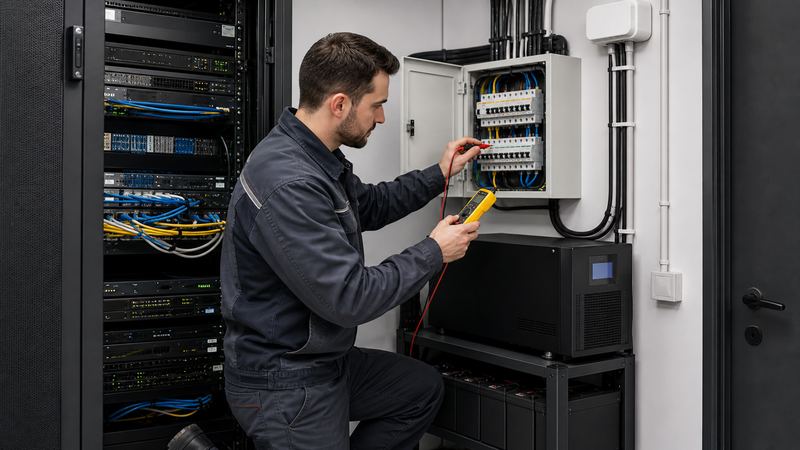
A practical guide to a dedicated electrical line, UPS, breakers and grounding for a server room.
Read More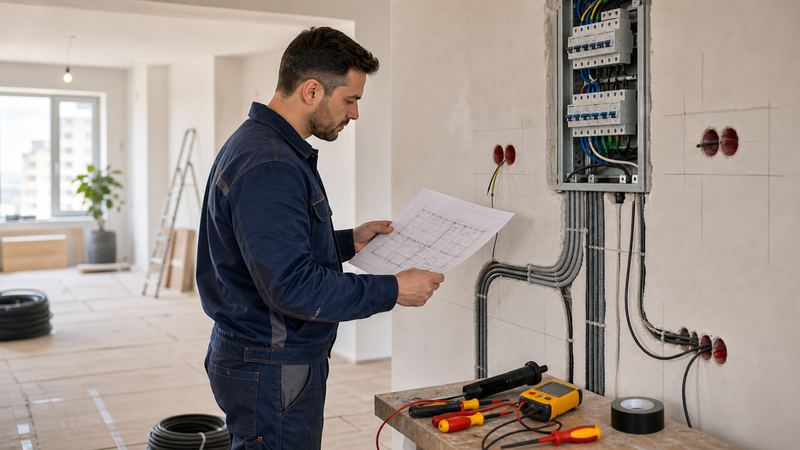
A new apartment electrical plan should be prepared before renovation, covering sockets, circuits, breakers, panel layout and future loads.
Read More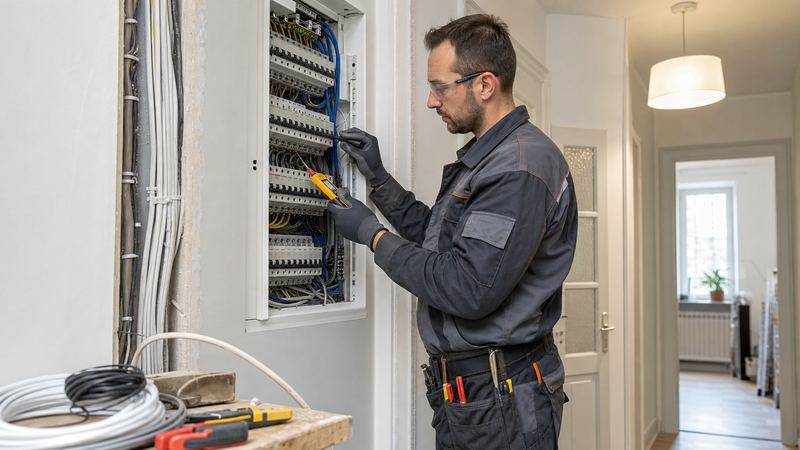
Old wiring can cause hot cables, breaker trips, socket problems and unstable voltage. Learn when renewal is safer than small repairs.
Read More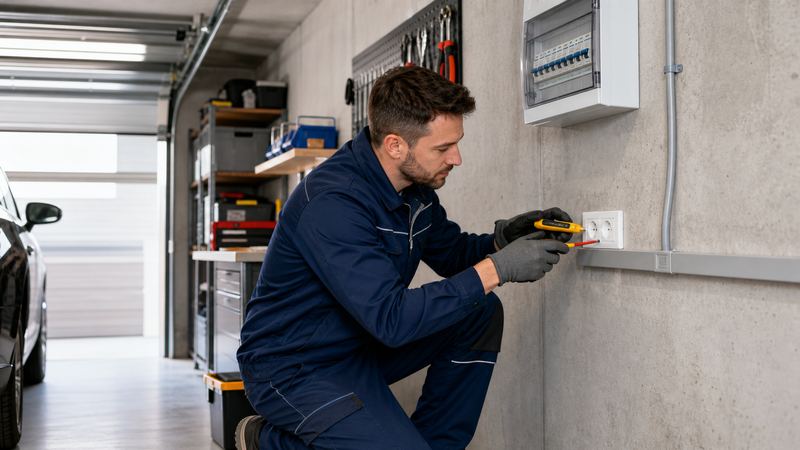
A garage electrical line should be planned for tools, lighting, sockets, cable load and correct breaker protection.
Read More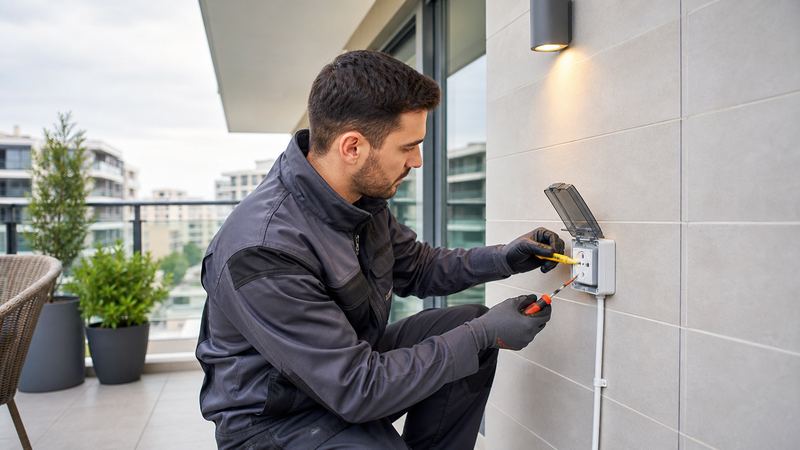
A balcony electrical line needs weather-aware sockets, safe cable routing, correct breaker selection and careful installation.
Read More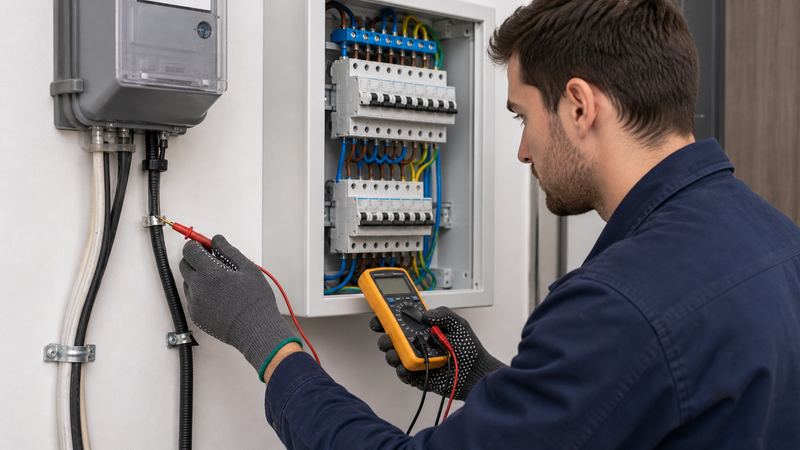
The line after the meter feeds the whole home, so cable size, panel contacts, breakers, and voltage under load should be checked.
Read More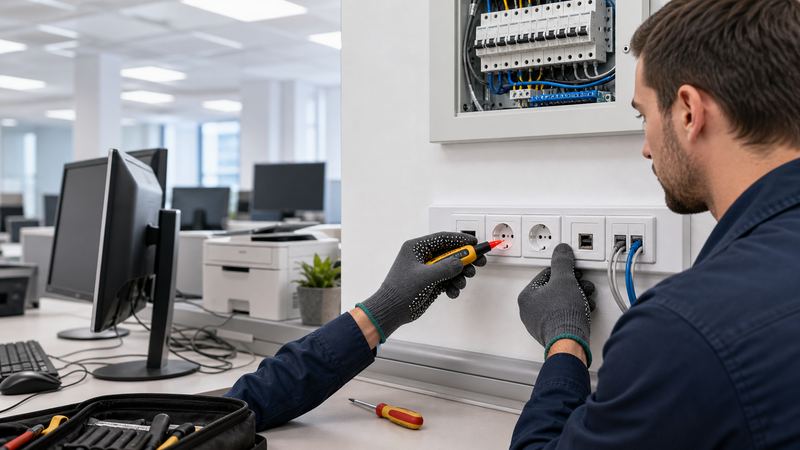
A safe office needs planned outlets, load calculation, grouped circuits, proper breakers, and stable power for equipment.
Read More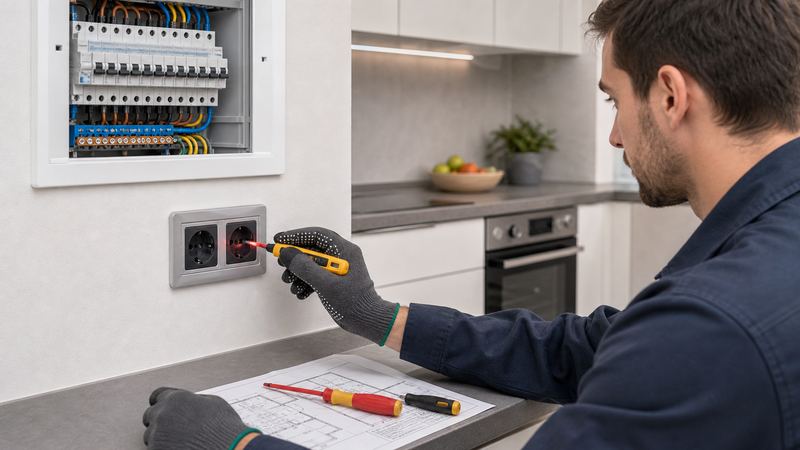
A safe kitchen needs planned outlets, dedicated circuits for high-power appliances, proper breakers, and tidy panel grouping.
Read More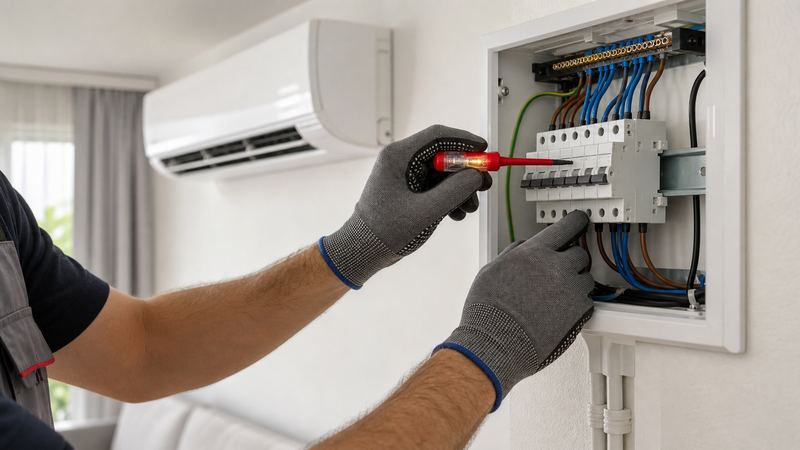
An air conditioner may need a dedicated line, proper breaker, safe cable sizing, and a reliable socket or connection point.
Read More